Identifying Basement Moisture Problems
Before you can effectively waterproof your basement, you must first understand the nature and source of your moisture problem. Water intrusion in basements rarely announces itself with dramatic flooding; more often, it manifests as subtle warning signs that homeowners overlook until damage becomes severe.
Begin your assessment by examining basement walls for water stains, efflorescence (white, chalky mineral deposits), or discoloration. These marks indicate water has penetrated your foundation, evaporated, and left mineral residue behind. Run your hand along the base of interior walls to check for dampness. Pay particular attention to corners, window wells, and areas where utilities enter the home, as these are common entry points for moisture.
In the Bremerton area, where annual rainfall averages over 50 inches and the winter months bring persistent precipitation, seasonal moisture patterns often reveal themselves clearly. Homeowners here frequently notice that basement dampness intensifies between October and March, when groundwater tables rise and saturated soil presses against foundation walls. If your basement shows moisture only during specific seasons, you are likely dealing with exterior water pressure rather than interior humidity.
Measure relative humidity using a hygrometer. Levels consistently above 60 percent create ideal conditions for mold growth and require intervention. Inspect floor joists, rim joists, and any wooden storage items for signs of rot, warping, or mold. A musty odor is never normal and indicates active moisture accumulation. Check for standing water near floor drains, along the perimeter, or in corners. Even small puddles signal a drainage problem that will worsen over time.
Document your findings with photos and notes. This baseline assessment will help you determine which waterproofing strategies are appropriate and whether professional evaluation is necessary.
Sealing Walls from the Inside
Interior waterproofing provides a valuable first line of defense against minor moisture intrusion and is appropriate when hydrostatic pressure remains low and water penetration is minimal. These solutions address symptoms rather than root causes, but they can deliver effective results in the right circumstances.
Start with thorough surface preparation. Remove all loose paint, efflorescence, and debris from basement walls using a wire brush and vacuum. Clean masonry surfaces with a solution of trisodium phosphate (TSP) and water, then rinse thoroughly and allow walls to dry completely. Rushing this step compromises adhesion and waterproofing effectiveness. If active moisture is present, wait for drier conditions or address exterior drainage first, as coatings applied over wet surfaces will fail.
Hydraulic cement is the correct material for filling cracks and gaps in poured concrete or concrete block foundations. Mix according to manufacturer specifications and pack it firmly into prepared cracks using a pointing trowel. For cracks wider than one-quarter inch, apply in layers rather than a single thick application. Allow hydraulic cement to cure for at least 24 hours before proceeding with waterproofing coatings.
Choose a waterproofing sealer appropriate to your foundation type. Cementitious coatings work well on concrete block and provide a breathable barrier that allows water vapor to escape while blocking liquid water. Epoxy-based sealers create an impermeable membrane suitable for poured concrete walls. Apply sealers with a masonry brush or roller, working in overlapping vertical strokes to ensure complete coverage. Most products require two coats for optimal performance. Follow the manufacturer’s recoat window precisely, as timing affects bonding between layers.
Interior waterproofing has clear limitations. It cannot withstand significant hydrostatic pressure and will not prevent water from entering your foundation; it merely redirects moisture and prevents it from entering the living space. If you observe continuous dampness, active leaks, or bowing walls, interior solutions alone are insufficient. In these cases, exterior waterproofing and drainage improvements become necessary.
Foundation Drainage and Exterior Barriers
Exterior waterproofing targets the source of water intrusion by preventing moisture from ever contacting your foundation walls. This approach delivers the most durable, long-term protection and is the gold standard for basement waterproofing, though it requires more extensive work and investment than interior methods.
Proper grading is the foundation of exterior waterproofing. The soil surrounding your home should slope away from the foundation at a minimum grade of six inches over the first ten feet. Walk your property’s perimeter and identify low spots, settling, or areas where water pools near the foundation. Regrading may require adding soil and compacting it in lifts, or in severe cases, excavating and rebuilding the grade. This seemingly simple step diverts tremendous volumes of surface water away from your basement.
Installing or upgrading a perimeter drain system (often called a French drain or footer drain) provides critical relief from hydrostatic pressure. This system consists of perforated pipe installed at the footer level, surrounded by washed gravel and filter fabric. Water that accumulates in the soil flows into the pipe and is directed away from the foundation to daylight drainage or a collection point. If your home lacks a perimeter drain, installation requires excavating the foundation perimeter to footer depth, a task that falls clearly in professional territory for most homeowners.
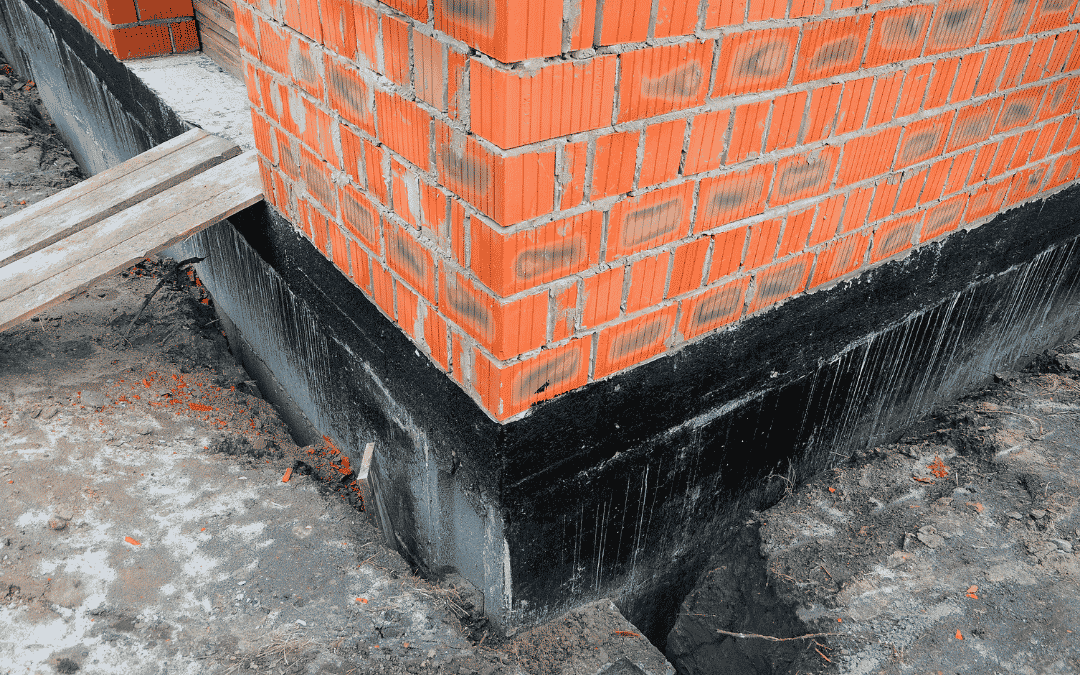
Exterior waterproofing membranes applied directly to foundation walls create a physical barrier against moisture penetration. Modern systems include rubberized asphalt, bentonite clay panels, or spray-applied polymer membranes. Application requires excavating soil from the foundation, cleaning the wall surface, repairing cracks, and applying the membrane according to strict specifications. Because this work involves excavation near your home’s structural foundation, proper execution is critical.
Sump pump systems provide active water removal when passive drainage is insufficient. A sump basin installed at the lowest point of your basement collects water from perimeter drains or through the basement floor. A submersible pump activates when water reaches a preset level and discharges it away from your home. Battery backup systems ensure protection continues during power outages. For maximum reliability, discharge water at least 10 feet from the foundation to prevent it from simply cycling back into the drainage system.
The decision between DIY and professional installation depends on the scope of work and your capabilities. Grading improvements, gutter maintenance, and minor drainage projects are within reach of capable homeowners. Excavation, membrane installation, and perimeter drain systems typically require professional construction services with proper equipment, expertise, and liability coverage.
Preserving Your Waterproofing Investment
Waterproofing your basement is not a one-time project but the beginning of an ongoing maintenance commitment. Even the highest-quality systems will fail without proper care and monitoring. Establishing a regular inspection and maintenance schedule protects your investment and catches small problems before they become costly failures.
Inspect gutters and downspouts quarterly, and clean them at least twice annually. In the Puget Sound region, where autumn leaf drop is substantial and winter storms bring heavy rainfall, November and March cleanings are particularly important. Gutters clogged with debris overflow during rainstorms, dumping thousands of gallons of water directly against your foundation. Verify that downspout extensions discharge water at least six feet from your home. Flexible extensions that disconnect or shift position are common culprits in basement moisture problems.
Test your sump pump every three months by pouring water into the basin until the float activates. Listen for unusual noises, vibration, or cycling issues. Clean the pump intake screen and check the discharge line for obstructions. Replace pumps proactively every seven to ten years, rather than waiting for failure during a critical storm event. If your system includes a battery backup, test it under load and replace batteries according to the manufacturer’s schedule.
Monitor foundation plantings and irrigation. Landscaping beds should never be built up against foundation walls, as they trap moisture and prevent proper drainage. Maintain a six-inch clearance between mulch and siding. If you have an irrigation system, ensure that sprinkler heads are directed away from the foundation and adjust them seasonally to prevent overwatering near the house perimeter.
Walk your basement monthly during wet weather, paying attention to the same trouble spots you identified in your initial assessment. Early detection of new moisture allows you to intervene before mold establishes or structural damage occurs. Keep your hygrometer in the basement year-round and track humidity trends. Sudden increases signal a change in your waterproofing system’s performance and warrant immediate investigation.
Annually inspect exterior grading for settling or erosion. Soil naturally compacts and settles over time, potentially creating new drainage problems. Add soil and restore proper slope as needed. This simple task prevents major moisture intrusion and costs far less than remediation after water damage occurs.
Recognizing the Limits of DIY
While many aspects of basement waterproofing fall within the capabilities of dedicated homeowners, certain situations demand professional intervention. Understanding when to transition from DIY to professional services protects both your safety and your property’s structural integrity.
Active water intrusion through cracks, particularly if the water flows rather than seeps, indicates hydrostatic pressure that interior treatments cannot resolve. Foundation cracks wider than one-quarter inch, horizontal cracks, or cracks that continue to expand require structural evaluation. These may signal foundation settlement, soil pressure, or drainage failure that will worsen without proper correction. Similarly, bowing or leaning foundation walls represent serious structural compromise that only qualified professionals should address.
If you notice repeated waterproofing failures despite your best efforts, you are treating symptoms rather than causes. Professional waterproofing contractors bring diagnostic tools and experience that reveal hidden moisture sources. Thermal imaging cameras detect temperature differentials that indicate moisture pathways. Moisture meters quantify water content in building materials, distinguishing between surface dampness and saturated conditions. This level of assessment determines the appropriate scope of work and prevents wasted investment in solutions that cannot succeed.
Extensive mold growth, particularly black mold or growth covering more than ten square feet, requires professional remediation. Disturbing large mold colonies without proper containment and air filtration spreads spores throughout your home and creates health hazards. Professional remediators establish containment, use HEPA filtration, remove affected materials safely, and treat surfaces to prevent recurrence. They also identify and correct the moisture source, addressing the root problem rather than simply cleaning visible growth.
Any waterproofing project requiring excavation near your foundation should involve professionals with proper liability coverage and equipment. Excavation risks include undermining the foundation, damaging utilities, soil collapse, and improper backfill that creates new drainage problems. Licensed contractors carry insurance that protects you if problems arise, and they understand building codes and permit requirements that govern foundation work.
If you plan to finish your basement after waterproofing, professional involvement ensures that your investment is protected. Finishing a basement before moisture problems are fully resolved leads to mold growth behind walls, damaged materials, and costly demolition and reconstruction. Professional waterproofing creates the dry environment necessary for successful bathroom remodeling, installation of tile flooring, or any other finishing work. Qualified remodeling contractors coordinate waterproofing, proper vapor barriers, mold-resistant materials, and appropriate finishes to create healthy, durable lower-level living spaces.
The scope of services available from professional waterproofing specialists extends far beyond simple repairs. Professionals assess your entire property drainage system, from roof runoff to footer drains. They design integrated solutions that address all moisture sources simultaneously. This may include foundation drainage systems, exterior membrane installation, sump pump upgrades, crack injection, grading corrections, and interior moisture barriers. They also provide warranties on their work, giving you recourse if problems persist.
For Bremerton-area homeowners, working with local professionals offers additional advantages. Contractors familiar with regional soil conditions, seasonal water table fluctuations, and typical foundation construction methods in the area bring valuable context to your project. They understand that clay soils common in parts of Kitsap County expand when wet and contract when dry, creating seasonal foundation movement. They know which drainage solutions perform reliably in our wet climate and which materials withstand our moisture levels long-term.
When moisture threatens your basement or you are ready to transform your lower level into functional living space, professional guidance and execution protect your investment. Whether you need foundation work, water and moisture control services, or are planning a home renovation that includes your basement, qualified professionals deliver solutions that perform reliably for decades. A dry, healthy basement protects your home’s structural integrity, preserves indoor air quality, and maximizes your usable living space.
If you are facing persistent moisture problems or are ready to waterproof your basement properly, professional assessment is the logical first step. A thorough evaluation identifies all moisture sources, determines the most cost-effective solutions, and provides a clear path forward. For homeowners in the Bremerton area seeking reliable basement waterproofing, foundation drainage, or basement finishing services, contact us at 3606279750 or inforemoarkableconcept@gmail.com to schedule a free assessment and protect your home’s foundation for years to come.